
There’s something delightfully subversive about cleaning to make a statement. While most marketers are busy cluttering our visual landscape with posters, billboards, and digital ads, a growing number are doing the opposite they’re washing away dirt to reveal their message. This is reverse graffiti, and it’s quietly rewriting the rules of guerrilla marketing.
What Makes Reverse Graffiti Different
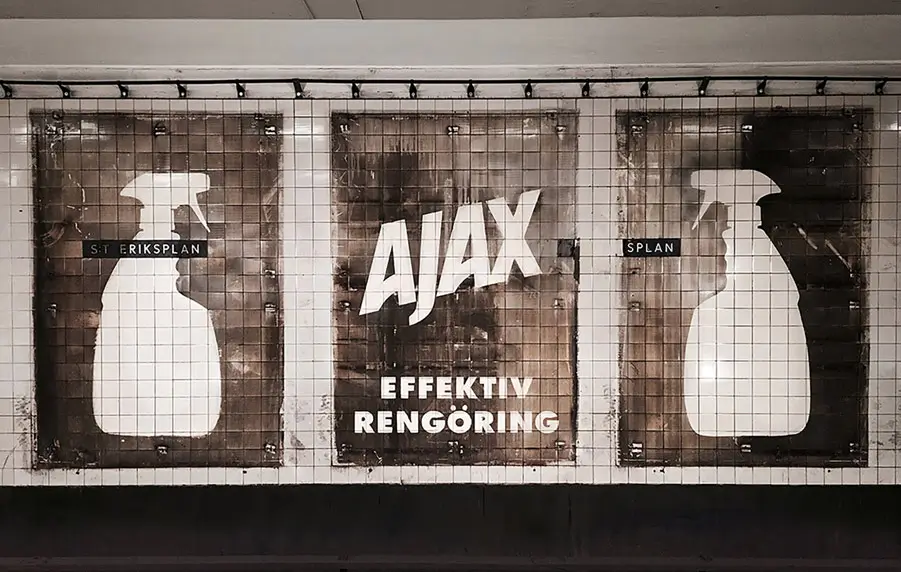
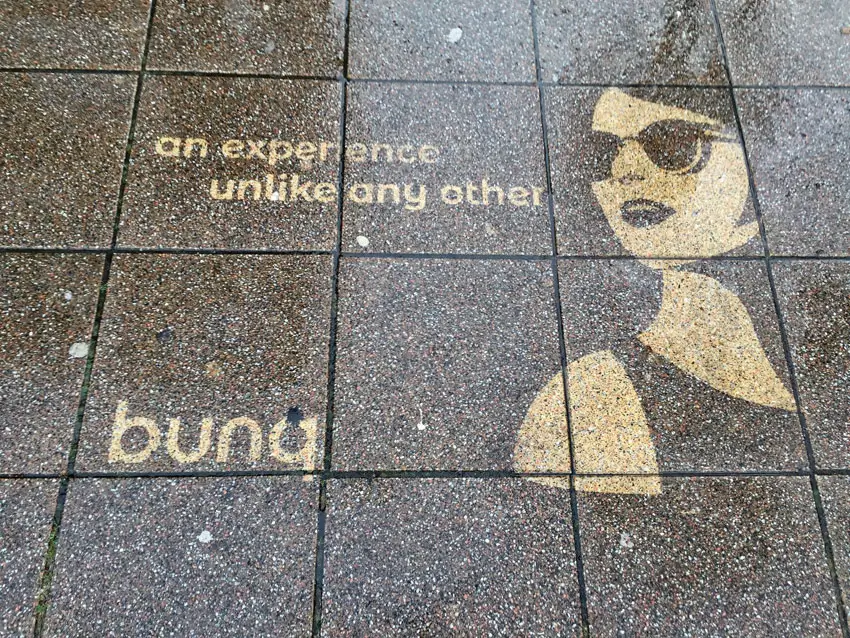
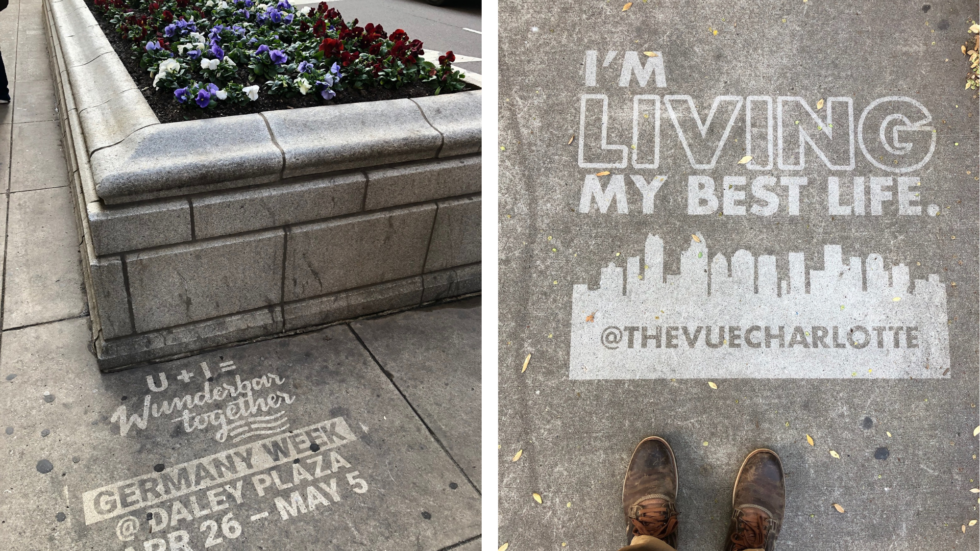
Traditional graffiti adds something to a surface. Reverse graffiti takes something away. Armed with high-pressure water jets and carefully crafted stencils, practitioners selectively clean portions of grimy walls, sidewalks, or tunnels to create striking images and text. The surrounding dirt becomes the canvas, and the cleaned areas form the artwork. It’s vandalism’s cleaner, more respectable cousin one that leaves surfaces better than it found them.
The technique emerged from the street art world, where artists like Paul “Moose” Curtis pioneered the method in the early 2000s. What began as an artistic experiment quickly caught the attention of marketers who recognized its unique appeal: creating advertising that doesn’t actually add anything to the environment, just reveals what’s already there.
Why Marketers Are Getting Their Hands Dirty (or Clean)
The appeal of reverse graffiti for marketing campaigns runs deeper than its novelty factor. In an age where consumers are increasingly skeptical of traditional advertising and concerned about environmental impact, this technique offers several compelling advantages.
It’s genuinely eco-friendly. Unlike conventional outdoor advertising that requires materials, inks, and chemicals, reverse graffiti uses only water and pressure. There’s no waste generated, no toxins released, and the “advertisement” naturally fades as new dirt accumulates over time. For brands trying to demonstrate environmental consciousness, the medium itself becomes part of the message.
It generates authentic buzz. When people encounter a reverse graffiti installation, they stop. They photograph it. They share it on social media. The unexpectedness of the medium advertising that cleans rather than clutters creates a moment of genuine surprise that’s increasingly rare in our over-advertised world. This organic sharing amplifies reach far beyond the physical location of the installation.
It’s cost-effective. Compared to traditional outdoor advertising campaigns, reverse graffiti requires minimal investment. A pressure washer, water access, stencils, and labor are the primary costs. There are no ongoing rental fees for billboard space, no printing costs, and no installation hardware required.
It exists in a legal gray area that often works in brands’ favor. Many cities struggle to classify reverse graffiti legally. Is it vandalism if you’re cleaning? Some municipalities have embraced it, others have issued fines, but the ambiguity itself often generates publicity. When San Francisco initially cited pressure-washing artist Paul Curtis for defacement, the resulting media coverage was worth far more than any fine.
Real Campaigns That Made an Impact
The technique has been employed by brands across industries, each leveraging its unique characteristics to create memorable moments.
Greenpeace has used reverse graffiti extensively to highlight pollution issues. In one campaign, they cleaned messages about air quality onto dirty buildings in cities with high pollution levels. The irony was perfect the cleaner the message, the dirtier the surrounding environment appeared, making the point viscerally clear.
Domino’s Pizza created a tongue-in-cheek campaign in several European cities, pressure-washing their logo and the message “Domino’s will clean up your street” onto dirty sidewalks. While promoting their delivery service, they simultaneously demonstrated community involvement by actually improving public spaces.
Microsoft promoted the launch of Windows 7 through reverse graffiti installations in multiple cities, creating intricate designs that showcased the new operating system’s visual aesthetic. The campaign generated significant social media attention and demonstrated that even tech companies could adopt unconventional marketing approaches.
A particularly clever execution came from Green Works cleaning products, which used reverse graffiti to literally demonstrate their product’s effectiveness. They created elaborate murals on dirty walls using their eco-friendly cleaners, with each installation serving as both art and product demonstration.…
The Creative Process: More Than Just Hosing Down a Wall
Creating effective reverse graffiti requires more strategic thinking than it might appear. Successful campaigns typically follow a careful process:
Location scouting is crucial.
The ideal surface needs sufficient grime to create contrast, high foot traffic for visibility, and a relatively smooth texture that allows for detailed stencil work. Urban tunnels, neglected building facades, and well-traveled sidewalks often provide the best canvases.
Design considerations differ from traditional media. The artwork must work in negative space, with cleaned areas forming the message against the dirty background. Complex gradients and fine details are challenging to achieve. Bold, simple designs tend to work best, though skilled practitioners can create surprisingly intricate images.
Timing matters. Rain can wash away or blur the installation, while new accumulation of dirt gradually fades the message. Smart marketers coordinate campaigns with weather patterns and plan for the temporary nature of the medium.
Documentation is essential. Since the installation is temporary, capturing high-quality photos and video during creation and immediately after completion ensures the campaign lives on through social media and press coverage long after the physical installation fades.
The Legal and Ethical Landscape
Reverse graffiti occupies uncertain legal territory. In some jurisdictions, any marking or alteration of public property without permission constitutes vandalism, even if that alteration is technically an improvement. Other cities have taken a more permissive stance, particularly when the result is genuinely cleaner streets.
Some practitioners argue that since they’re removing dirt rather than adding anything, they’re actually performing a public service. Courts haven’t universally agreed. The most legally sound approach involves securing permission from property owners before any cleaning begins, though this admittedly reduces some of the guerrilla appeal.
From an ethical standpoint, reverse graffiti generally sits comfortably within acceptable bounds. It doesn’t damage property, uses no harmful chemicals, and is temporary. The main ethical consideration is whether it’s deceptive if a campaign isn’t clearly branded or if it masquerades as spontaneous street art when it’s actually paid advertising, that raises authenticity concerns.
Limitations and Challenges
Despite its advantages, reverse graffiti isn’t suitable for every campaign or brand. The technique has inherent constraints that marketers need to understand.
It’s inherently temporary.
While this transience contributes to the appeal, it also means the physical installation won’t deliver impressions for months like a traditional billboard. The real longevity comes from documentation and social sharing.
Weather dependence is unavoidable. Rain can significantly shorten the lifespan of an installation, and creating the artwork during inclement weather is impractical.
Scale is limited. Creating large-scale installations requires significant time and resources. Unlike digital campaigns that can scale effortlessly, each reverse graffiti piece must be individually created.
Surfaces vary widely. Not all dirty walls are created equal. Some surfaces clean too easily, creating insufficient contrast. Others have textures that prevent detailed work. Success requires finding that sweet spot of grime and surface quality.
It requires the right brand fit. This approach works particularly well for eco-conscious brands, cleaning products, or companies wanting to project an edgy, unconventional image. It would feel awkward for luxury brands or more conservative industries.
The Future of Clean Canvas Marketing
As consumers become increasingly fatigued by traditional advertising and more attuned to environmental concerns, techniques like reverse graffiti seem positioned for growth. We’re already seeing evolution in the space.
Some artists are incorporating UV-sensitive materials with water to create designs that appear under certain lighting conditions. Others are combining reverse graffiti with augmented reality elements, where the physical installation serves as a trigger for digital content.
There’s also growing interest in “green graffiti” or “moss graffiti,” where biodegradable materials containing moss spores are applied to walls, creating living, growing artwork. While technically different from reverse graffiti, it shares the same eco-conscious philosophy and temporary nature.
Cities are beginning to see potential in commissioned reverse graffiti for public art programs and civic messaging. Rather than fighting the technique, some municipalities are actively using it to promote recycling programs, public health initiatives, and community events.
Making Reverse Graffiti Work for Your Brand
For marketers considering this approach, success requires more than just enthusiasm and a pressure washer. Here are key considerations:
Ensure brand alignment. The technique’s eco-friendly, unconventional nature should complement your brand identity, not contradict it. Ask whether your target audience would respond positively to this approach.
Prioritize shareability. Since the physical installation is temporary, your campaign’s longevity depends on documentation and social spread. Design with Instagram, TikTok, and Twitter in mind.
Create moments that people want to capture and share.
Handle permissions properly. Work with property owners or relevant authorities to secure appropriate permissions. The legal gray area can generate publicity, but actual legal troubles rarely enhance a campaign.
Think beyond the installation itself. Consider how the reverse graffiti piece fits into a larger campaign. Can it drive traffic to a website? Does it tie into other marketing initiatives? The most successful campaigns use the installation as one element in a broader strategy.
Plan for documentation. Budget for professional photography and videography. Consider creating time-lapse videos of the creation process these often perform exceptionally well on social media.
Be authentic. If you’re using reverse graffiti specifically for its eco-friendly attributes, ensure your brand’s other practices align with this message. Greenwashing is quickly identified and harshly judged.

A Cleaner Approach to Cutting Through
In a world oversaturated with marketing messages, reverse graffiti succeeds by doing less. It doesn’t add to the visual noise it subtracts from it. It doesn’t impose on the environment it marginally improves it. And it doesn’t demand attention through volume it earns it through novelty.
For the right brands and campaigns, this technique offers a way to stand out while treading lightly, to make a statement by washing one away. As marketing continues evolving toward more sustainable and less intrusive practices, reverse graffiti represents not just a clever tactic, but a philosophy: sometimes the most powerful message comes from what you choose not to add.
The beauty of clean rebellion is that it’s hard to argue with. After all, who can object to advertising that leaves the world a little cleaner than it found it?
Ready to Turn Clean Rebellion Into Your Next Campaign?
Reverse graffiti isn’t just “cool street art.” It’s a low-waste, high-impact way to hijack attention in the real world and turn it into online buzz. If you’re serious about standing out, it’s time to design a guerrilla concept that fits your brand, your city, and your growth goals—without greenwashing or random stunts.
Let’s map out a reverse graffiti campaign that actually moves the needle.

Afroditi Arampatzi
Marketeer
Hi, I’m Afroditi!
An experienced marketer with a passion for driving impactful projects and delivering strategic solutions.
With over 15 years of hands-on experience in project management, I specialize in advertising, data analysis, strategic planning, and team leadership.