


The small coastal village in the Philippines was dying. Years of mass tourism had stripped its beaches of sand, polluted its waters, and displaced local fishermen. Boracay, once a pristine paradise, had become a cautionary tale of tourism gone wrong. In 2018, the government made a radical decision: close the island entirely for six months to heal.
What happened next changed the conversation about tourism forever.
When Boracay reopened, visitors weren’t just asked to “do no harm.” They were invited to take an oath a commitment to actively help maintain and restore the island. Travelers pledged to preserve the island, promising to care for its land, sea, and community. This wasn’t sustainable tourism. This was something more ambitious: regenerative tourism.
What Makes Regenerative Tourism Different
For decades, the tourism industry has championed sustainability—the idea of maintaining resources so future generations can enjoy them too. Unlike traditional tourism, which often prioritizes convenience and indulgence, regenerative tourism is rooted in the principles of restoration and renewal, seeking to give back more than it takes.
The fundamental shift is this: sustainable tourism aims to “do less harm,” while regenerative tourism emphasizes repairing and revitalizing ecosystems and local communities rather than just reducing adverse environmental effects.
Think of it this way: if your garden is wilting, sustainability means watering it just enough to keep it alive. Regeneration means enriching the soil, planting companion species, and creating conditions where the garden doesn’t just survive it thrives.
The Core Principles
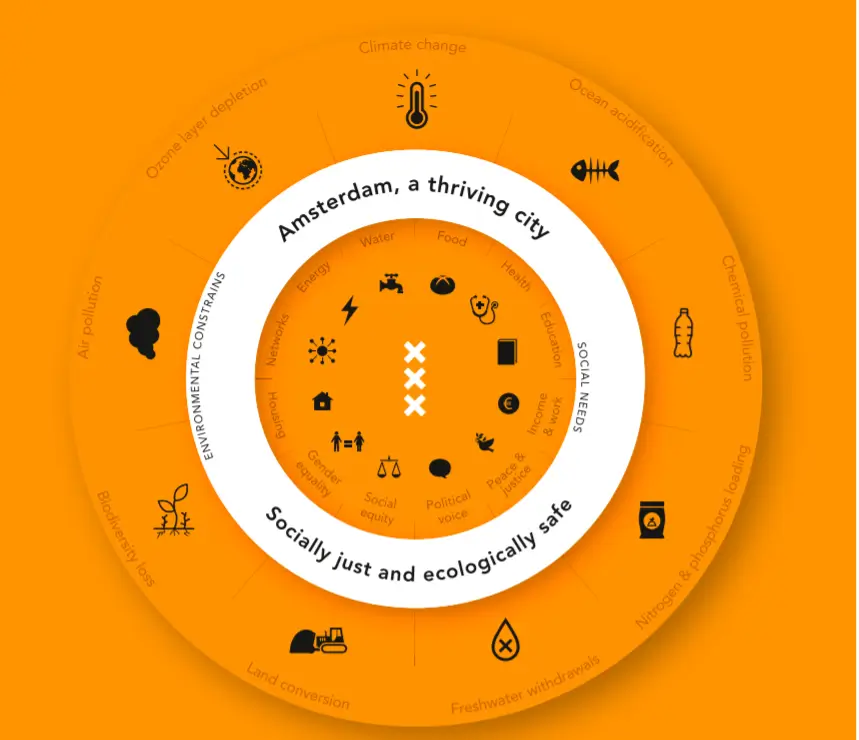
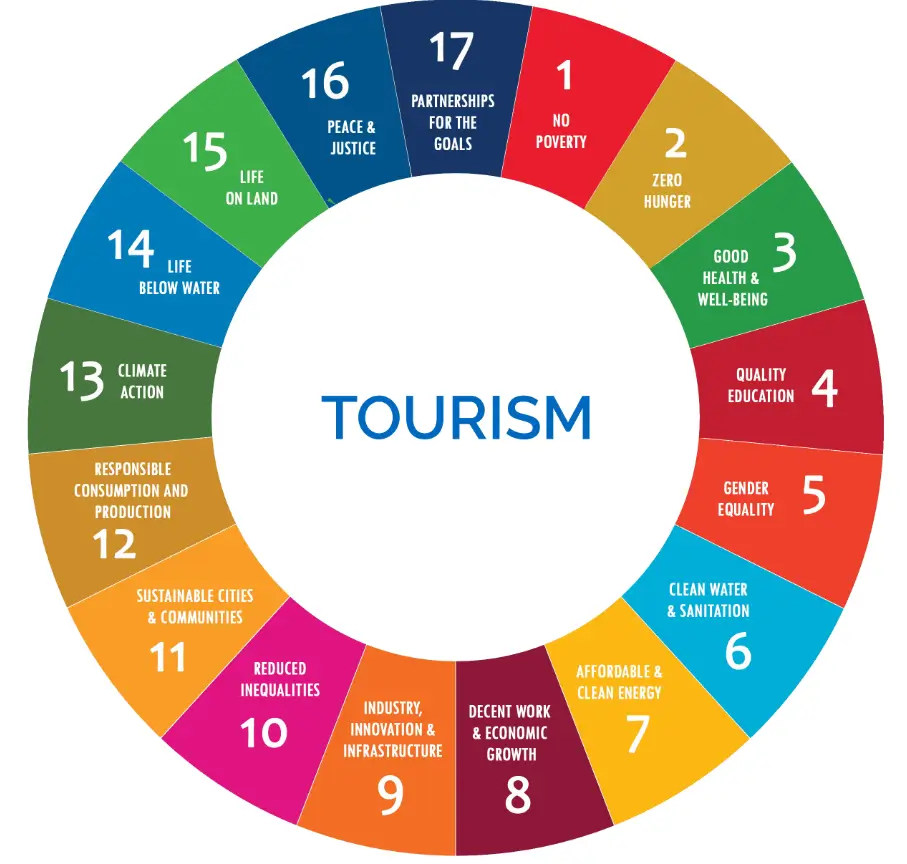
The United Nations has elaborated regenerative tourism principles that include holistic understanding of living systems, collaborative partnerships between diverse stakeholders, environmental responsibility, cultural stewardship, and transformational experiences that showcase local heritage.
These principles translate into practice through several key approaches:
Ecological Restoration: Tourism activities directly contribute to healing damaged ecosystems. Eco-lodges plant trees for every visitor, volunteer programs focus on cleaning beaches and protecting marine life these are direct actions that aid environmental recovery.
Community Empowerment: By involving local communities in tourism planning and operations, regenerative tourism ensures economic benefits are more equitably distributed, supporting local businesses, creating jobs, and encouraging community-led initiatives.
Cultural Preservation: Rather than commodifying culture for tourist consumption, regenerative tourism works with communities to protect and revitalize traditional practices, languages, and knowledge systems.
Transformative Experiences: Creating experiences for guests that are life-changing, bringing forward the uniqueness of each place through activities that showcase cultural heritage, folklore, gastronomy, local landmarks and wildlife responsibly.
Why Regenerative Tourism Matters Now
The COVID-19 pandemic exposed deep vulnerabilities in the tourism sector. The pandemic emphasized the need to rethink tourism, leading to increased attention on regenerative approaches as a new way to travel. But the urgency goes beyond pandemic recovery.
The Overtourism Crisis
Popular tourist destinations face overtourism tipping points: Mallorca, Barcelona, and the Canary Islands saw protests over soaring housing prices and water shortages; Venice introduced day-tripper entry fees; Santorini capped cruise ship arrivals; Maya Bay closed for years to allow coral reef regeneration.
These aren’t isolated incidents. They’re symptoms of a tourism model that extracts value without replenishing it.
The Market Demand
Eco-conscious travelers are a growing market, with 66% wanting to leave destinations better than they found them. This isn’t just altruism it’s a fundamental shift in what travelers value. Nearly two-thirds are worried about climate change, opting for shorter travel distances, less frequent trips, and more discerning options that positively impact the environment.
The wellness travel sector provides compelling evidence: Eco-conscious explorers represent the largest segment (11%) of big spenders in the wellness market. These travelers have both the resources and the motivation to support regenerative initiatives.
Regenerative Tourism in Action: Real-World Examples
New Zealand's Tiaki Promise
Perhaps no country has embraced regenerative tourism more comprehensively than New Zealand. Tourism New Zealand invites all visitors to take the Tiaki promise a commitment to care for the people, culture, land, sea, and nature, pledging to “care for land, sea, and nature, treading lightly and leaving no trace; travel safely, showing care and consideration for all; respect culture, travelling with an open heart and mind.”
The Tiaki Promise is supported by the Sustainability and Resilience Institute of New Zealand through “Project Regenerative Tourism,” which aims to create long-term economic, social, environmental, and cultural well-being.
This isn’t just marketing rhetoric. New Zealand has integrated regenerative principles into its tourism infrastructure, from conservation programs to community-based tourism initiatives that ensure Maori communities benefit directly from tourism while protecting sacred sites and traditional knowledge.
Grootbos Private Nature Reserve, South Africa
For hospitality businesses and destinations, regenerative tourism isn’t just an ethical choice it’s increasingly a strategic imperative.
Premium Pricing Power
Regenerative tourism creates lasting benefits for communities and ecosystems, going beyond sustainability to actively improve destinations, attracting eco-conscious travelers willing to pay premium prices.
Properties and experiences that can demonstrate genuine regenerative impact command higher rates. Travelers increasingly understand that meaningful restoration requires investment, and they’re willing to pay for it.
Risk Mitigation
Destinations dependent on pristine environments face existential risks from environmental degradation. Regenerative approaches aren’t just about altruism they’re about protecting the asset base that makes tourism viable.
Consider the Maldives, where rising sea levels threaten to make the islands uninhabitable: UNESCO designated the tourism-dependent Baa Atoll as a biosphere reserve, which has hosted 350,000 visitors annually as part of a sustainable ecotourism initiative. Without regenerative action, the entire tourism economy faces collapse.
Competitive Differentiation
In an increasingly crowded tourism market, regenerative credentials provide powerful differentiation. Over 50 airlines have introduced carbon offset programs integrated into their sales processes, enabling passengers and companies to contribute directly to carbon offset projects worldwide.
Properties and destinations that can prove their positive impact stand out in a sea of generic “green” marketing claims.
Challenges and Critical Considerations
Regenerative tourism isn’t without significant challenges that deserve honest examination.
The Measurement Problem
Regenerative tourism represents an opportunity for the industry to develop new approaches to sustainability and innovative business models, but it suffers from a lack of defined methodologies and defensible data.
Without standardized measurement frameworks, it’s difficult to:
Compare regenerative claims across businesses
Verify actual impact versus marketing rhetoric
Make informed investment decisions
Hold operators accountable
The Certification Gap
There really are no regenerative certifications at this moment. Tourism providers can pursue sustainability certifications that cover part of the system, but regeneration considers the whole system.
This creates challenges:
Consumers can’t easily identify genuine regenerative offerings
Businesses lack clear standards to work toward
Risk of greenwashing increases without verification systems
The Scale Question
Can regenerative tourism work at scale, or is it inherently limited to small operations? The GSTC Criteria explicitly encourage both reducing negative impacts and enhancing positive ones, suggesting that sustainable tourism already addresses many claims made by regenerative tourism advocates.
Some argue regenerative tourism is simply rebranded sustainability. Others contend it represents a fundamental paradigm shift. The truth likely lies somewhere between regenerative tourism builds on sustainable tourism foundations while pushing beyond them in scope and ambition.
The Power Dynamics Issue
A key feature of the regenerative tourism movement is engagement with Indigenous knowledges as inspiration for principles and practices, but this raises questions of if, when and how Indigenous knowledges might inform regenerative tourism planning in just ways, noting a context of power differentials and structural injustices.
Regenerative tourism risks appropriating Indigenous and local knowledge while maintaining extractive power structures. Decolonizing allyship processes provide essential approaches for just engagement with Indigenous knowledges.
The Path Forward
Despite these challenges, regenerative tourism represents more than a trend it signals a necessary evolution in how we conceive of tourism’s role in society.
Tourism as a Force for Regeneration
The village of Boracay that closed for healing didn’t just recover it reimagined what tourism could be. When it reopened, it wasn’t “back to normal.” It was better: cleaner waters, protected ecosystems, empowered communities, and visitors who understood their role in maintaining that transformation.
This is the promise of regenerative tourism: that our presence as travelers can be a catalyst for positive change rather than an extractive burden. That the places we love can be strengthened by our visits rather than depleted by them.
The trend for wellness retreats and outdoor activities is evolving into active regeneration not just restorative experiences for travelers, but a holistic approach to rejuvenating both ourselves and the environment.
The question isn’t whether tourism can be regenerative. Examples around the world prove it can. The question is whether we businesses, destinations, travelers will choose regeneration over extraction. Whether we’ll invest in the harder work of restoration rather than settling for the easier goal of simply doing less harm.
The tourism industry stands at a crossroads. One path leads to continued degradation, mounting resistance from local communities, and ultimately the destruction of the very assets tourism depends on. The other path leads to regeneration tourism as a force that heals, strengthens, and renews.
What regenerative tourism initiatives have inspired you? Share your experiences and let’s continue building a tourism industry that truly gives back.
Choose wisely! Grab a marketing guide as you go
The resources I created help hospitality professionals move beyond sustainability rhetoric to create genuine impact while building profitable, resilient businesses.

Afroditi Arampatzi
Marketeer
Hi, I’m Afroditi!
An experienced marketer with a passion for driving impactful projects and delivering strategic solutions.
With over 15 years of hands-on experience in project management, I specialize in advertising, data analysis, strategic planning, and team leadership.