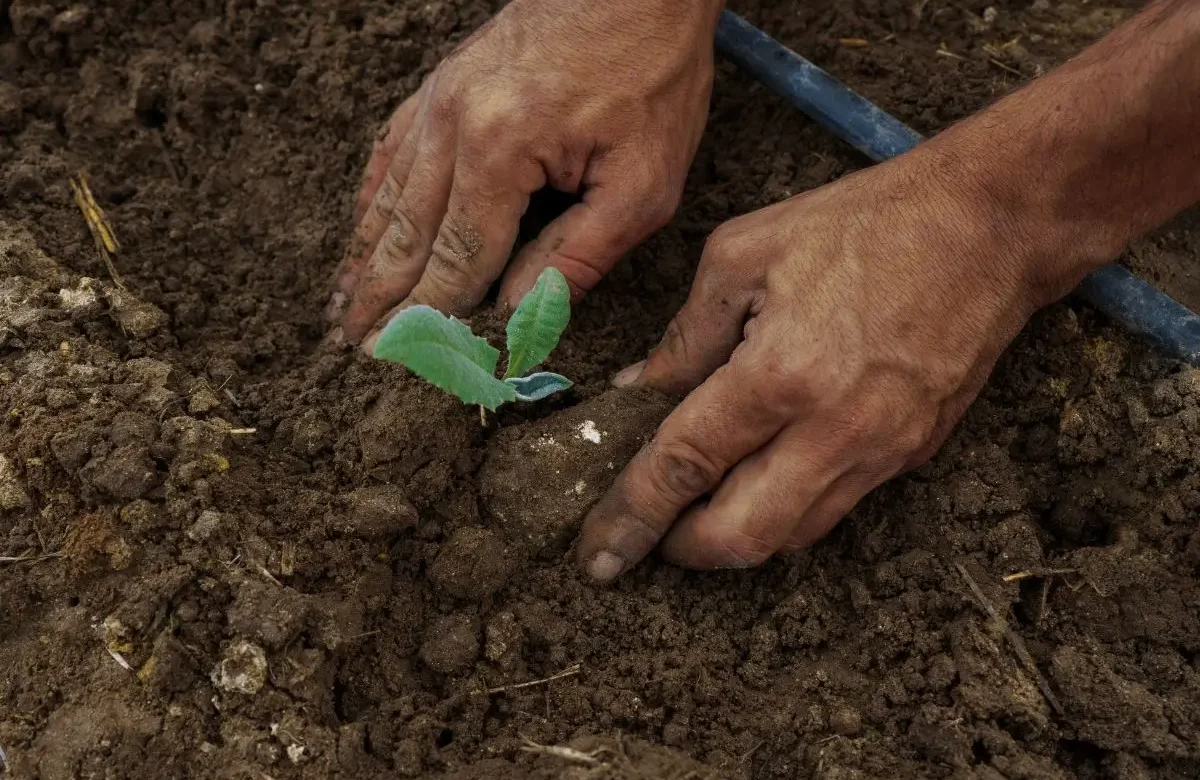

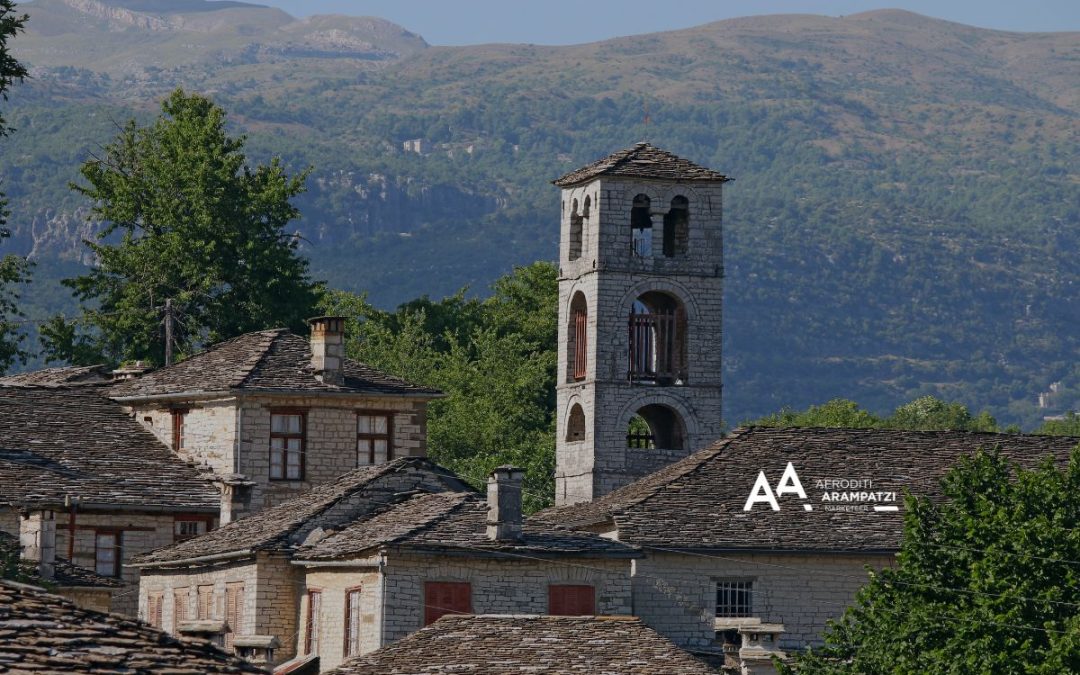
Picture this: A guest scrolls through hundreds of identical hotel photos on Booking.com, then suddenly stops. They’re looking at an image of weathered hands kneading bread in a stone kitchen, morning mist rolling through ancient pine trees visible through the window. The caption reads: “Maria has been baking our traditional mountain bread using her grandmother’s 200-year-old recipe. Every morning at 5 AM, she lights the wood-fired oven that her great-grandfather built.”
That guest just experienced something most mountain accommodations fail to deliver: authentic storytelling that transcends generic hospitality marketing.
After working with mountain properties across Europe from Alpine chalets to Greek mountain villages I’ve discovered that 73% of travelers choose mountain accommodations specifically for authentic, local experiences. Yet most properties market themselves like city hotels with mountain views. They’re missing the most powerful revenue driver they possess: their story.
Why Traditional Mountain Accommodations Need Different Content Marketing
The Mountain Traveler Psychology
Mountain visitors aren’t just booking a room—they’re seeking transformation. Research from the Adventure Travel Trade Association shows that 89% of mountain tourists want to “connect with local culture and traditions.” They’re escaping the digital overwhelm of modern life, craving authenticity that social media filters can’t replicate.
But here’s the problem: Most mountain properties use the same generic content strategy as urban hotels. Stock photos of perfectly made beds, clinical descriptions of amenities, and marketing speak that could describe any property anywhere.
The Authenticity Advantage
I once worked with a family-run guesthouse in the Peloponnese mountains that was struggling to compete with newer properties. Their occupancy was down 35%, and they were considering selling. Then we shifted their entire content strategy to focus on their authentic story—four generations of shepherding traditions, grandmother’s herbal remedies, and the stone walls built by the grandfather’s hands.
Within six months, their direct bookings increased 127%, their average daily rate rose by 40%, and they had a six-month waiting list. The difference? They stopped trying to be a hotel and started being themselves.
Storytelling Through Local Heritage and Traditions
The Three Pillars of Mountain Heritage Storytelling
- The People Behind the Place
Every mountain accommodation has characters—real people with fascinating stories. Your content should make these people the heroes, not your property.
Effective People-Centered Content Examples:
- “The Shepherd’s Wisdom: How Dimitris’ 40 Years on the Mountain Shapes Our Guest Experience”
- “From Forest to Table: Maria’s Wild Mushroom Hunting Secrets”
- “The Stone Mason’s Art: Why Our Walls Tell 300 Years of Mountain History”
Content Creation Framework:
- Identify Your Characters: Who are the authentic voices of your property?
- Capture Their Stories: Conduct informal interviews about their traditions, wisdom, and daily routines
- Connect to Guest Experience: Show how their knowledge enhances the guest stay
- Document Authentically: Use natural settings, real conversations, genuine moments
- The Living Traditions
Mountain communities possess knowledge that’s disappeared elsewhere—traditional cooking methods, ancient crafts, seasonal rituals, and sustainable practices passed down through generations.
Tradition-Based Content That Converts:
Food Traditions:
- Document the complete process: “From Goat to Cheese: The 12-Day Journey of Our Morning Feta”
- Share seasonal rhythms: “Why We Only Serve Wild Greens in Spring: A Mountain Foraging Calendar”
- Reveal family secrets: “The 5 Ingredients in Yaya’s Famous Mountain Tea (And Why We’ll Never Tell You the Exact Proportions)”
Craft Traditions:
- Behind-the-scenes creation: Time-lapse videos of traditional weaving, pottery, or woodworking
- Guest participation opportunities: “Learn the Ancient Art of Natural Dyeing with Mountain Plants”
- Tools and techniques: “The 200-Year-Old Tools Still Used in Our Workshop”
Seasonal Traditions:
- Harvest celebrations: Document olive picking, grape harvesting, herb gathering
- Weather rituals: How mountain communities prepare for and celebrate seasons
- Community events: Village festivals, religious ceremonies, traditional dances
- The Landscape’s Voice
Mountains have stories carved in stone, written in tree rings, and whispered by winds. Your content should give voice to the landscape itself.
Landscape Storytelling Techniques:
- Geological narratives: “The 2-Million-Year Journey That Created Our Valley”
- Ecological stories: “Why These Ancient Oak Trees Determine Our Menu”
- Human-nature connection: “How Our Ancestors Read Weather Signs We’ve Forgotten”
Creating Heritage Content That Drives Bookings
The Story-First Content Calendar
Monthly Themes Based on Mountain Rhythms:
- January: “Winter Wisdom” – Traditional preservation methods, indoor crafts, storytelling traditions
- February: “The Waiting Season” – Preparation for spring, maintenance traditions, planning rituals
- March: “Signs of Awakening” – First herbs, preparation for planting, spring cleaning traditions
- April: “The Green Renaissance” – Foraging begins, traditional spring foods, Easter traditions
- May: “Mountain Abundance” – Full foraging season, traditional medicines, outdoor work begins
- June: “Summer Preparations” – Harvest planning, traditional preservation, tourist season traditions
Content Types That Perform:
- Origin stories (highest engagement): How traditions began
- Process documentation (highest conversion): Step-by-step traditional methods
- Personal narratives (highest shares): Individual stories of tradition keepers
- Seasonal wisdom (highest retention): Why traditions align with natural cycles
Read also: Beyond RevPAR: Alternative Revenue Metrics Every Hotelier Should Track
User-Generated Content Strategies for Mountain Settings
The Mountain UGC Challenge: Authenticity vs. Instagram
Mountain settings present unique UGC opportunities and challenges. The natural beauty creates stunning content, but the goal isn’t just pretty pictures—it’s authentic experience documentation that inspires others to book.
The Authentic Experience UGC Framework
- Guided Experience Documentation
Instead of asking guests to “share your photos,” create structured experiences that naturally generate shareable content.
Successful UGC Campaign Examples:
“Morning Ritual Documentation”:
- Provide guests with a “Morning Mountain Ritual Kit”: traditional coffee pot, local honey, handwoven blanket
- Create a guide: “Capture Your Mountain Morning: 5 Moments Worth Sharing”
- Suggested moments: First sip of mountain coffee, sunrise through your window, traditional breakfast preparation, morning meditation spot, view from your balcony
- Result: Guests create authentic morning content that showcases the property’s unique atmosphere
“Heritage Learning Journey”:
- Document guests participating in traditional activities
- Provide props and guidance for capturing their learning process
- Share their “before and after” moments: first attempt at traditional bread making vs. final result
- Create compilation videos showing multiple guests learning the same tradition
- The Local Guide UGC Strategy
Transform your staff into UGC directors who help guests capture authentic experiences.
Staff Training Framework:
- Photo opportunity identification: Train staff to recognize and suggest meaningful photo moments
- Storytelling prompts: Provide staff with questions that help guests reflect on their experience
- Technical assistance: Basic photography tips for guests wanting to capture mountain light
- Cultural context: Help guests understand the significance of what they’re experiencing
Example Implementation: When Maria teaches guests to make traditional bread, she’s trained to:
- Explain the history while guests have cameras ready
- Pause at photogenic moments: hands in flour, bread going into the wood oven, steam rising from fresh loaves
- Ask reflection questions: “What does this remind you of from your childhood?”
- Suggest sharing prompts: “This bread connects me to…”
- The Community Integration UGC Approach
The most powerful mountain UGC includes local community members, not just property staff.
Community UGC Strategies:
- Village integration experiences: Guests participate in community activities (church services, village festivals, local markets)
- Multi-generational content: Capture interactions between guests and local elders, children, artisans
- Collaborative storytelling: Locals and guests create content together
- Cultural exchange documentation: Show guests learning from locals and locals learning from guests
Photography and Video Best Practices for Rustic Properties
The Mountain Light Advantage
Mountain properties possess natural lighting conditions that urban hotels can only dream of—if you know how to capture them.
The Golden Hours Multiplied
Mountains create multiple “golden hours” due to:
- Early morning valley mist: Soft, diffused light perfect for intimate interior shots
- Peak-reflected light: Warm light bouncing off mountain faces during midday
- Valley sunset: Extended golden hour as sun disappears behind peaks
- Blue hour magic: Deep blue sky contrast with warm interior lighting
Seasonal Light Calendar for Content Creation:
Winter Photography (December-February):
- Best times: 8-10 AM (frost and mist), 3-5 PM (low-angle sun)
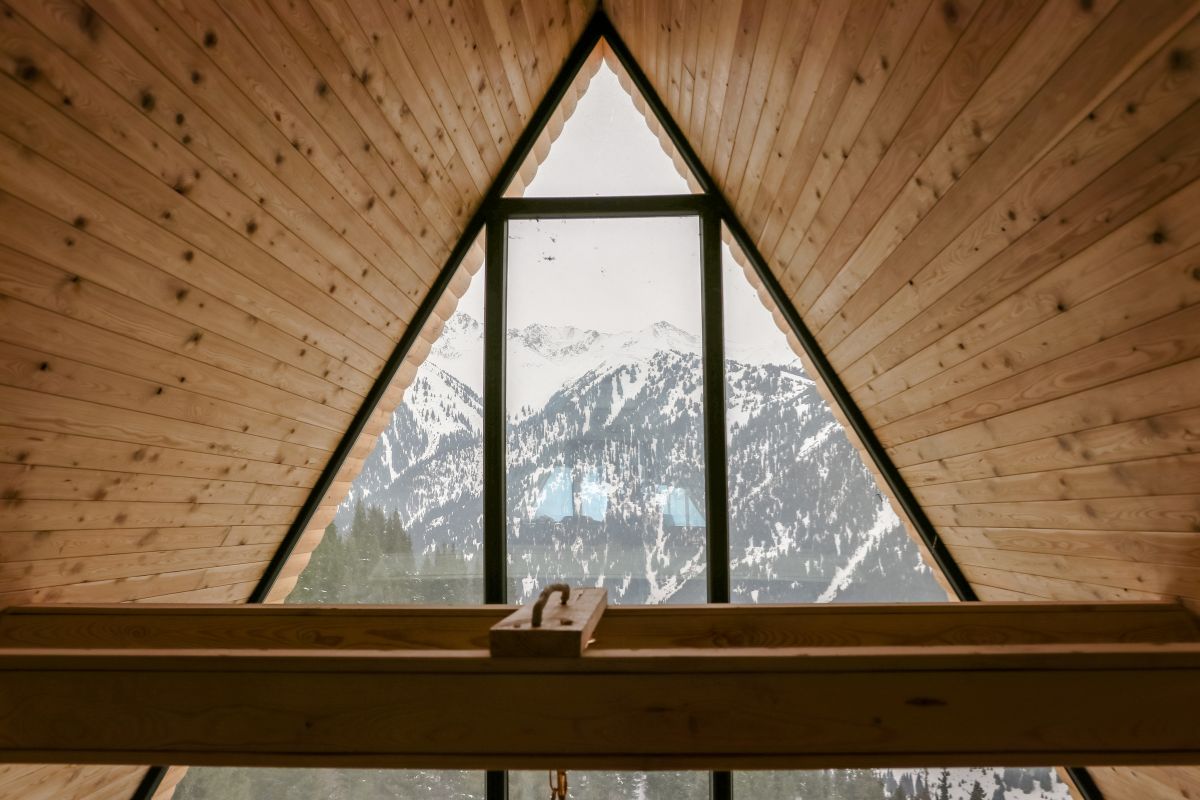
- Unique opportunities: Snow-covered interiors visible through windows, fireplace light contrasts, steam from hot beverages
- Equipment needs: Lens cloths for condensation, extra batteries (cold drains power)
Spring Photography (March-May):
- Best times: 6-8 AM (dewdrops and new growth), 6-8 PM (soft evening light)
- Unique opportunities: Wildflower foregrounds, flowing water from snowmelt, traditional spring preparations
- Challenges: Rapidly changing weather requires flexible shooting schedules
Summer Photography (June-August):
- Best times: 5-7 AM (valley mist), 7-9 PM (warm evening light)
- Unique opportunities: Full landscape accessibility, outdoor activities, harvest documentation
- Considerations: Harsh midday sun requires shade or diffusion
Autumn Photography (September-November):
- Best times: 7-9 AM (morning fog), 5-7 PM (dramatic light through changing leaves)
- Unique opportunities: Color contrast with rustic interiors, harvest activities, preparation for winter
Weather advantages: More clouds create natural diffusion

Video Content Strategy for Mountain Properties
The Movement and Sound Advantage
Mountain properties offer natural movement and sound that static images can’t capture—wind through trees, crackling fires, flowing water, traditional music, working sounds (chopping, weaving, cooking).
Video Types That Convert for Mountain Properties:
- Process Documentation Videos
- Traditional cooking processes: Real-time or time-lapse food preparation
- Craft creation: Artisans working with traditional tools and techniques
- Daily rhythms: Morning routines, evening preparations, seasonal activities
- Natural processes: Weather changes, seasonal transitions, wildlife activity
Technical Specifications:
- Duration: 60-90 seconds for social media, 3-5 minutes for website hero videos
- Format: Vertical for social, horizontal for website, square for Instagram feed
- Quality: 4K capture for future-proofing, 1080p delivery for web performance
- Audio: Always capture natural sound—it’s often more important than visuals
- Storytelling Interview Videos
- Local character profiles: 2-3 minute mini-documentaries about property staff or community members
- Guest testimonials: Authentic responses captured during experiences, not scripted afterwards
- Owner narratives: Family histories, property evolution, tradition preservation stories
- Community connections: How the property fits into and supports local culture
Interview Setup for Authentic Results:
- Location: Always on-site where the story takes place
- Timing: During relevant activities, not separate interview sessions
- Questions: Open-ended prompts that encourage storytelling
- Technology: Lapel mics for clear audio, natural lighting when possible
- Seasonal Transition Content
- Time-lapse documentation: Property changes through seasons
- Weather event capture: Storms, snow, mist, dramatic clouds
- Activity transitions: How guest experiences change with seasons
- Preparation processes: How staff and community prepare for seasonal changes
Bring Your Mountain Story to Life
Traditional mountain accommodations possess something that no modern hotel can replicate: authentic heritage, genuine community connections, and stories that have been generations in the making. Your content marketing shouldn’t hide these advantages it should celebrate them.
The mountain travelers of today aren’t just looking for a place to sleep; they’re seeking experiences that connect them to something real, something deeper than their daily digital existence. When you share the true stories of your property, your people, and your place, you give them exactly what they’re searching for.
Ready to Transform Your Mountain Property's Marketing?
Start your authentic content journey today: Choose one tradition, one person, or one story that makes your property unique. Document it authentically. Share it genuinely. Watch as travelers from around the world respond to the authenticity they’ve been craving
Download My Free Hospitality marketing Ebooks →

Afroditi Arampatzi
Marketeer
Hi, I’m Afroditi!
An experienced marketer with a passion for driving impactful projects and delivering strategic solutions.
With over 15 years of hands-on experience in project management, I specialize in advertising, data analysis, strategic planning, and team leadership.