Emenna
- Category
- Beauty / DTC Skincare
- Start Date
- December 2025
- Graphic Design
- Kuki design
- Web Development
- FYND Agency
- Client
- EMENNA
- Location
- Greece
- Services
- Brand Strategy, Website Audit, Conversion Optimization, Copy Rewrite, Content Strategy
- Status
- Active

From generic to conversion-focused
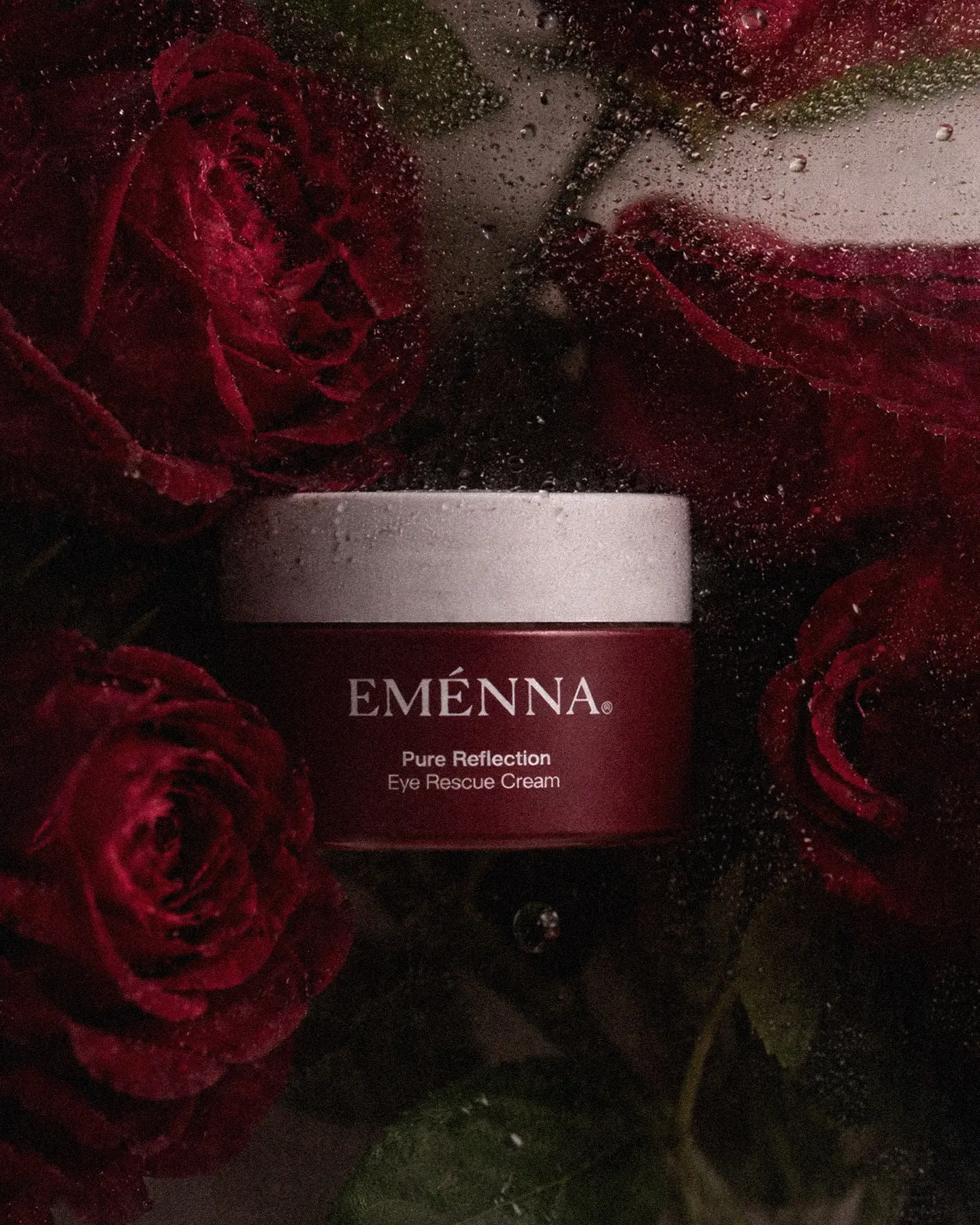
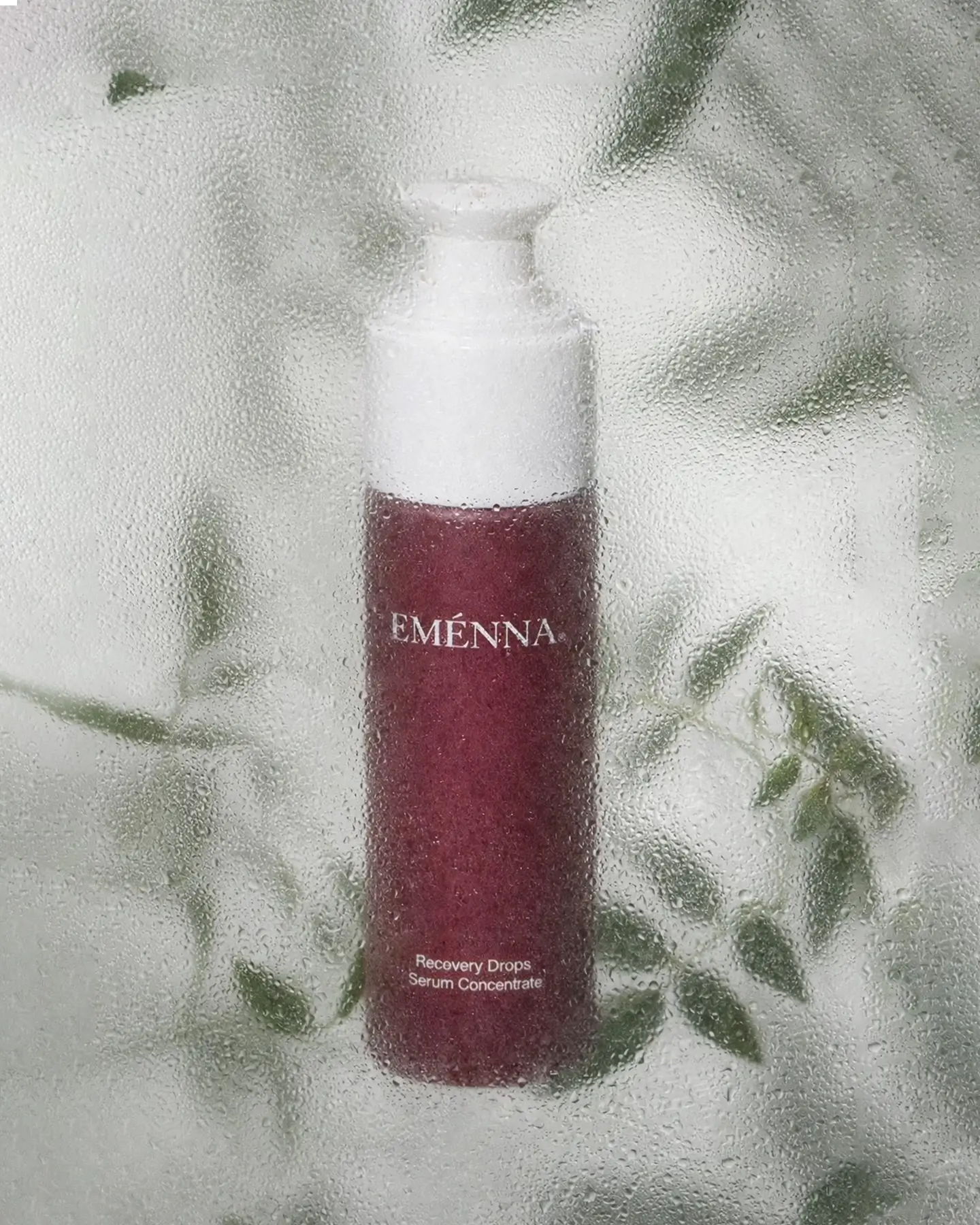
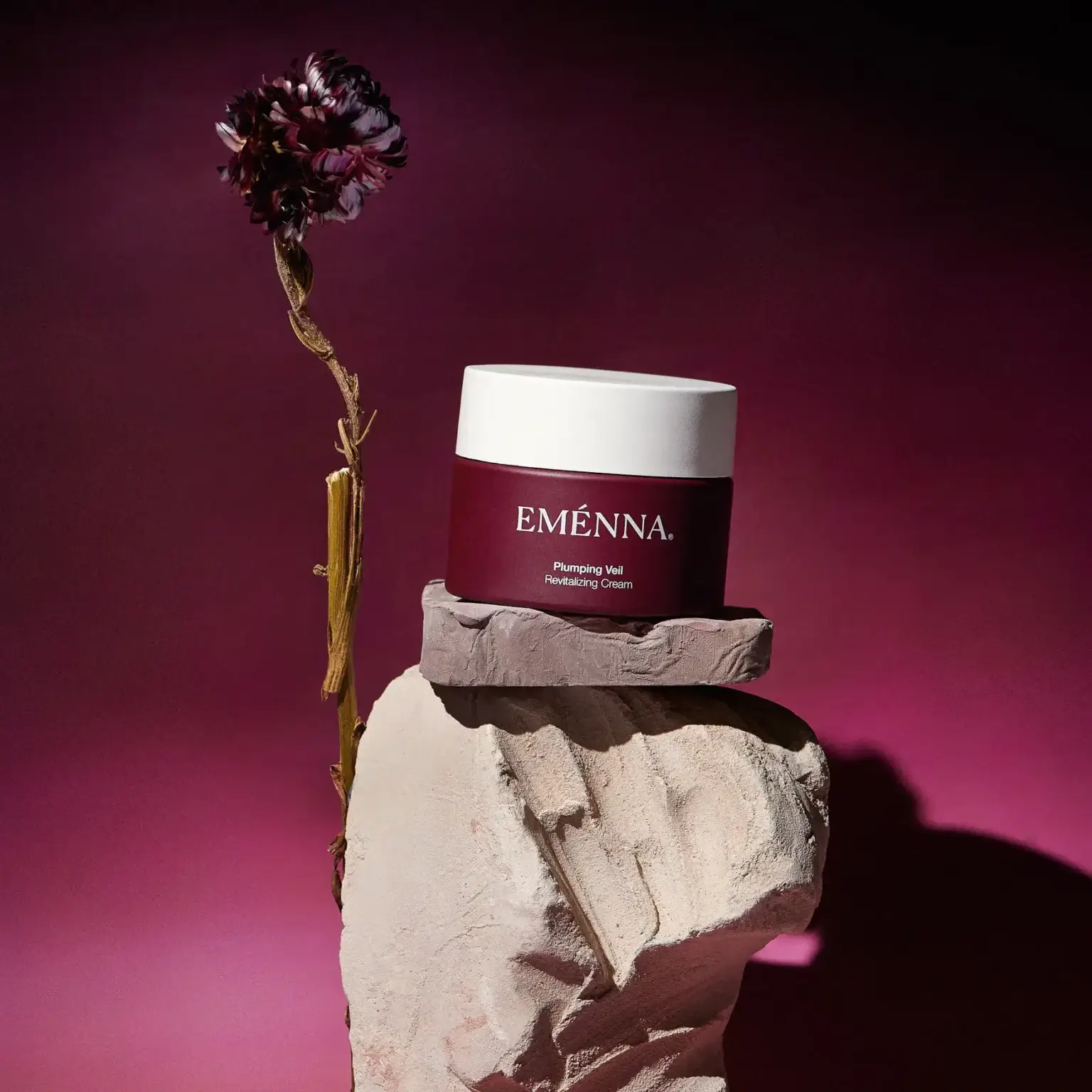
EMENNA had the hardest part already solved: a genuinely effective product. Truffle extract, peptides, clean formulas, considered packaging. The kind of product most skincare startups spend years trying to build.
What it didn’t have was a reason for someone to choose it.
The site read like a catalog, products, ingredients, prices. The brand voice was polite and impersonal. The founder was invisible. And the most valuable asset the brand owned was sitting in plain sight, unused: the name itself.
“Emenna” sounds like the Greek word εμένα — “me.”
A skincare brand literally called me, in a category built on self-care, and no one had ever said it out loud.
That was the project.
- Brand Development
- Brand Positioning
- UX/UI Design
- Video Content
- Copywriting
What the brand was up against
Premium skincare is one of the most competitive markets in the world. The Greek beauty market alone has Korres, Apivita, and dozens of smaller players. Globally, consumers are drowning in options.
Inside that context, EMENNA had five specific gaps:
- - A website built to display, not to convert
- - No social proof: zero reviews, no before/after, no testimonials backing the "scientifically designed" claim
- - Brand voice that talked about the customer instead of to her
- - A founder story completely absent from a category where personal narrative drives every successful brand
- - €60 face cream with no built argument for why it costs €60
None of these are unusual. Together, they explain why excellent products don’t sell.
The Solution
What I changed, and what I was thinking
A new homepage voice.
From brand-talking-about-itself to brand-talking-to-you. That was the whole job. Every copy move below serves that single shift.
The hero isn’t a position. It’s recognition.
The old homepage opened with a mission statement, the brand’s philosophy. Right thinking, wrong moment. When a woman lands on a skincare site for the first time, she doesn’t want to know what you believe in.
She wants to know that you’ve understood where she is.
Pain-point copy isn’t empathy theatre. It’s diagnosis.
Most premium skincare brands write pain-point copy that smells like manipulation, “we know how hard it is…” It doesn’t work, because it sounds like marketing.
The EMENNA section names things only an actual user would know: the cabinet full of half-empty bottles, the hours lost reading contradictory reviews, the suspicion that “maybe my skin is the problem.” Specificity is the proof. If you can name her exact internal monologue, she stops reading you as a brand and starts reading you as someone who gets it.
The value pillars aren’t features. They’re answers to objections.
Three pillars — multifunctional design, Mediterranean science, visible results — and each one exists to neutralize a specific hesitation a premium skincare buyer arrives with.
Multifunctional answers “do I really need another product?” — one cream, three jobs, fewer bottles.
Mediterranean science answers “is this clean or is this effective? I can’t have both.” — truffle extract sits at the intersection.
Visible results answers “will I actually see anything?” — peptides, hyaluronic acid, ingredients with proof behind them.
A value proposition that doesn’t have a hesitation it’s killing is just a list. This isn’t a list. It’s a closing argument.
Product descriptions stopped describing. They started selling.
The old product pages were ingredient lists. Accurate, complete, useless. A buyer doesn’t choose a €60 cream because of a peptide concentration she can’t verify. She chooses it because she can picture herself using it and not needing the other five things on her shelf.
Brand Story Development
The insight that reframed everything
The brand name wasn’t a name. It was a positioning statement nobody had read out loud.
Εμένα — me. Not “self-care” in the wellness-industrial sense. Self-care as self-respect. Putting yourself first, without apologizing for it. A specifically Greek tension: a culture that praises women for giving everything to everyone else, sold a product whose name says me first.
That’s not a tagline. That’s the entire reason the brand should exist.
Once we named it, every other decision got easier. Who is the customer? A woman who’s tired of being the last item on her own list. What’s the enemy? The guilt that comes with prioritizing yourself. What’s the promise?
Not perfect skin — permission.
The strategic framework
Problem → Solution → Proof
Every element of the rewritten follows this architecture:
1. Acknowledge the problem the customer already experiences
2. Present EMENNA as the solution with specific reasons why
3. Prove it works through social proof, science, and guarantees
The lesson, kept short
Most “branding” problems aren’t missing assets. They’re unused ones. EMENNA owned its entire positioning in five letters and didn’t know it.
The work was less about creating and more about listening to what the brand had already said.
Let’s Get in touch

Navigate
Let's Work
Newsletter
Get valuable marketing insights, growth strategies, and brand positioning tips straight to your inbox.
By signing up to receive emails from Afroditi Arampatzi, you agree to our Privacy Policy. We treat your info responsibly. Unsubscribe anytime.
© 2010—2025 Afroditi Arampatzi – Privacy Policy
Code By – FyndAgency